
Product-led growth gets talked about like it is some magic trick.
It is not.
For early-stage B2B SaaS, PLG works best when the product is easy to try, easy to understand, and easy to share. A user gets in fast, creates something useful fast, and that thing gets seen by other people. That is the part a lot of founders miss.
The strongest PLG products do not just help one user. They create something that leaves the app. A page, a booking link, a shared video, a form, a document, an embedded widget. Other people see that output, interact with it, and now the product is spreading without a salesperson doing all the work.
That is the version of PLG I want to focus on in this article.
Not generic “free trial” PLG.
Not “remove the demo form and hope for the best.”
I mean the kind of PLG GTM strategy where the product itself creates distribution.
What PLG means in practice
For early-stage SaaS, a good PLG motion usually has three parts:
- the user can start quickly
- the user can reach a real outcome quickly
- that outcome is visible to someone else
When those three things line up, growth gets much easier.
Why?
Because every new user has a chance to become a tiny acquisition channel. They are not just consuming the product. They are publishing with it, sharing with it, sending with it, embedding it, or inviting other people into it.
That is why some PLG products grow faster than they “should.” The product is not just useful. It leaves footprints.
Real PLG examples worth studying
Carrd: let users start before signup
Carrd is one of the cleanest onboarding examples in SaaS.
Its homepage and signup flow both explicitly say users can start without signing up first, and the builder opens with “Choose a Starting Point,” which makes the first action feel tiny and obvious. That is a massive onboarding advantage because the user starts building before hitting friction.

This is great PLG because the user gets value early. They are not staring at a signup wall. They are already making the website.
Then comes the second smart part: Carrd’s Pro plans advertise “No Branding,” which tells you the free version carries Carrd branding unless the user upgrades. So the product spreads through the websites people publish, and paid plans clean that up later.
That is a simple but powerful loop:
- start building fast
- publish something public
- let the product branding travel with the output
- charge to remove branding or unlock more control
A lot of early-stage SaaS founders should study this more closely. Sometimes the best onboarding trick is not a better tooltip. It is delaying signup until the user already cares.
Calendly: every booking link is a mini landing page
Calendly is another classic example.
Its help docs make it clear that users can share scheduling links, and its branding docs show that Calendly branding can be turned off from paid plans. That tells you the shared booking page is not just a utility page. It is also a distribution surface.
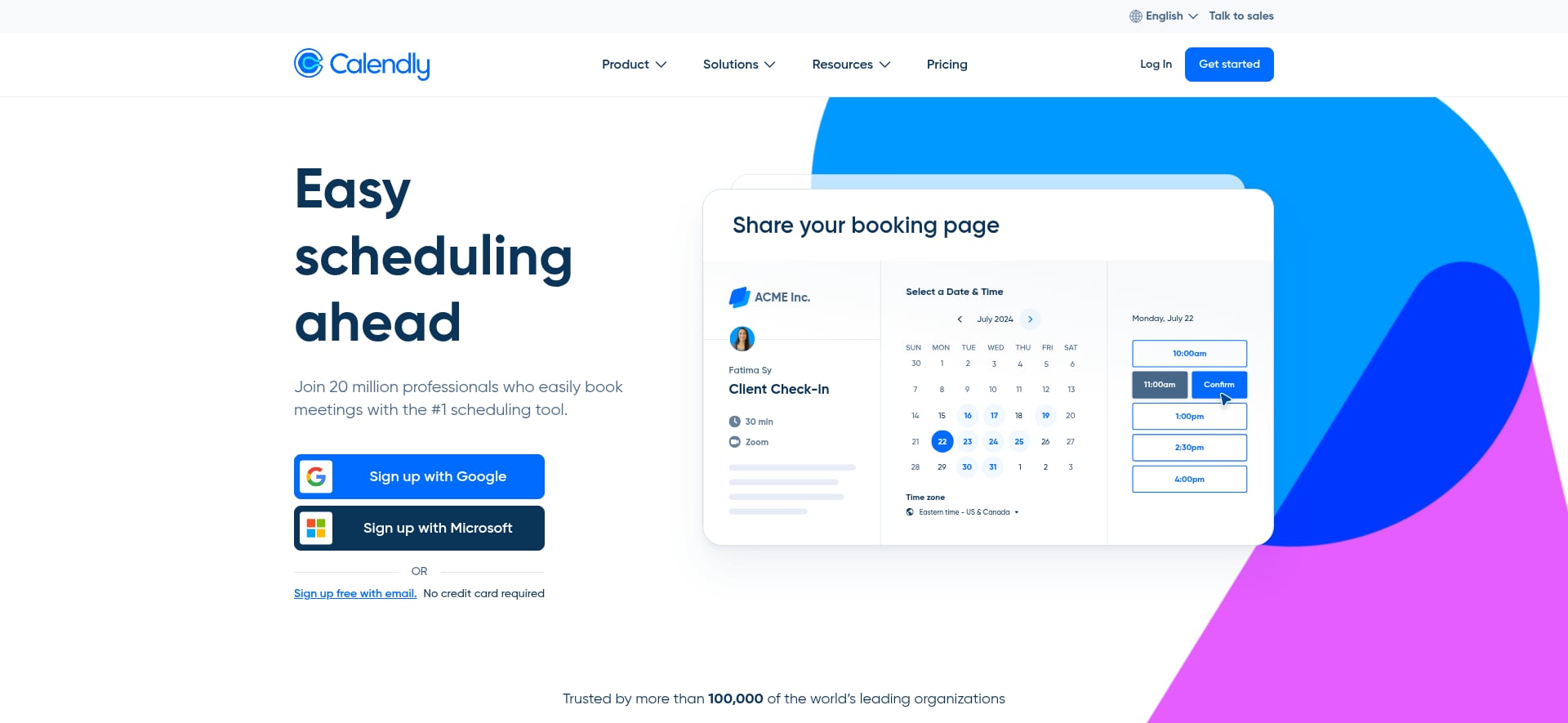
This is why Calendly spread so naturally.
A user sends a booking link to a prospect, customer, partner, or candidate. That person lands on a Calendly page, uses it, and instantly understands what the product does. The product is attached to the workflow.
This is one of the best PLG patterns in B2B SaaS: the customer’s normal action doubles as exposure for the product.
The user is not trying to market Calendly. They are just trying to book time. That is what makes it work.
Loom: the shared asset is the ad
Loom follows a very similar pattern.
Loom’s official sharing docs say the easiest way to share a recording is by copying a link, and its pricing page shows that custom branding is a paid feature. So again, the core output is shareable, public enough to travel, and tied to the product experience.
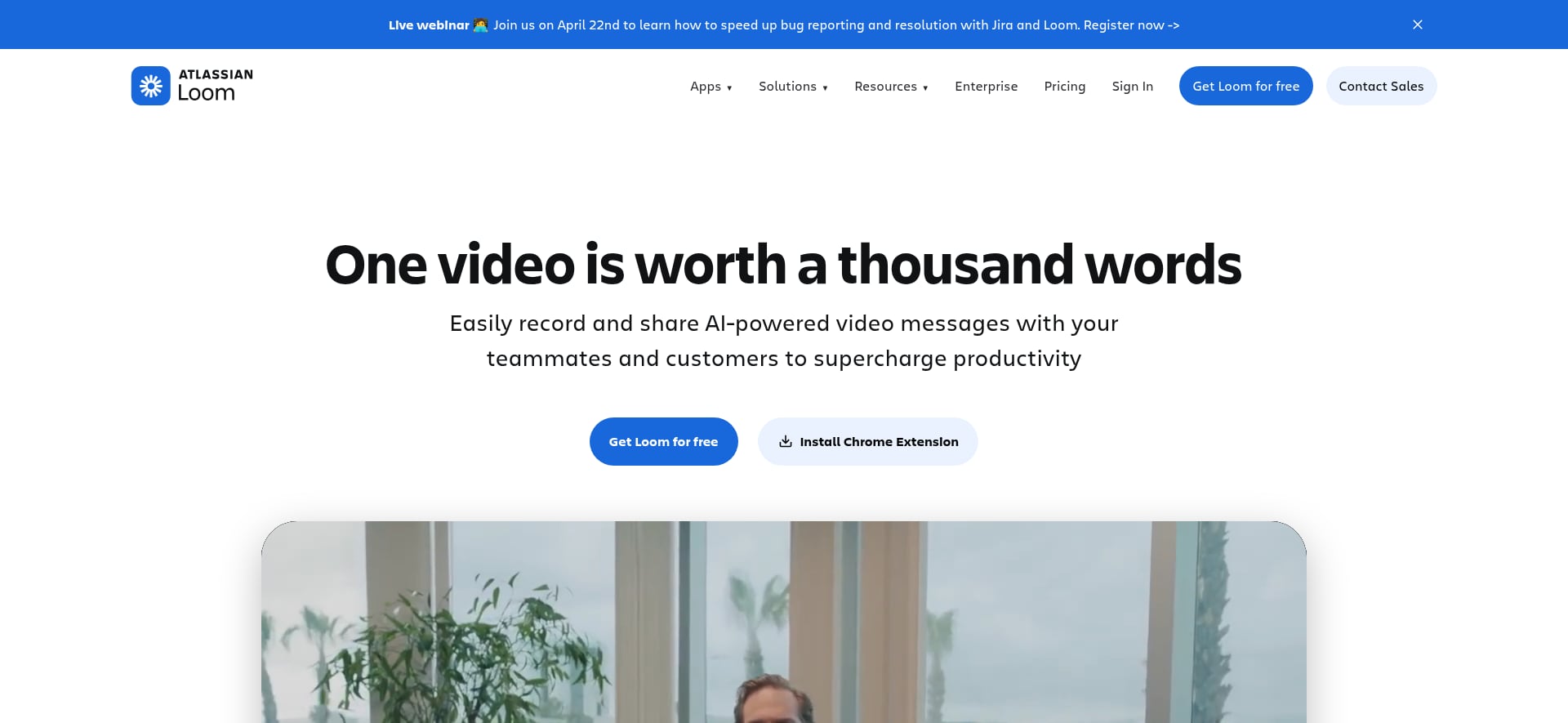
That matters because the viewer does not just hear about Loom. They experience Loom while watching the video.
This is a very strong PLG mechanic for early-stage SaaS:
- the user creates useful content
- the content gets shared
- the recipient interacts with the product environment
- some recipients become new users
If your product creates a useful artifact that other people can open, watch, review, or interact with, you already have the beginnings of a PLG loop.
ConvertCalculator: embeddable tools plus SEO at scale
ConvertCalculator is a really good example because it combines two different growth motions.
First, the product itself is highly shareable. The site says calculators can be embedded on any platform, and many of its template pages repeat the same idea: customize a calculator and embed it directly on your website. That means users are publishing the product on their own sites, where visitors interact with it in public.
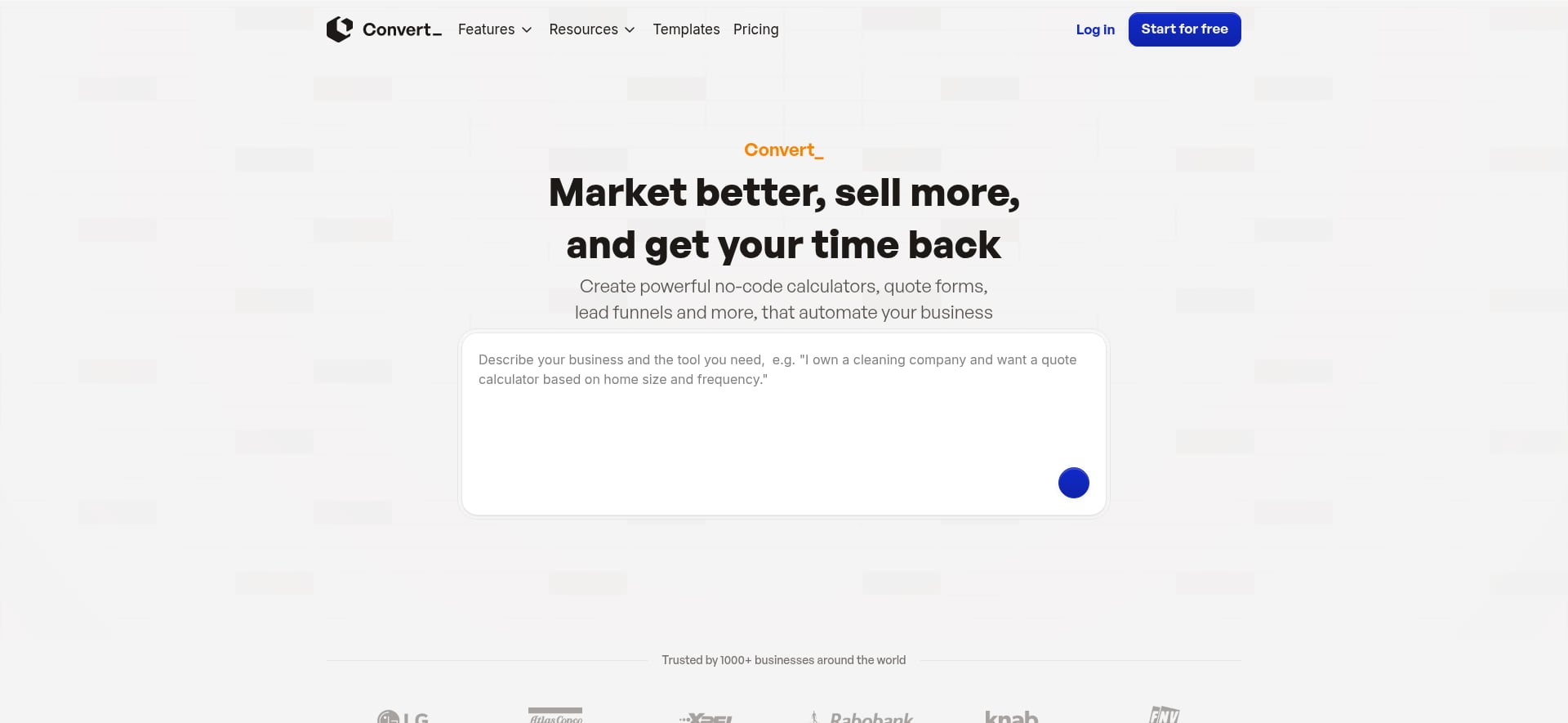
That alone is already useful PLG behavior.
A business creates a quote calculator, ROI calculator, pricing calculator, or lead form. Then that asset lives on its site and gets used by prospects. The product is now part of the customer-facing workflow.
But ConvertCalculator does something else that is smart too.
It also has a very large template library with pages for many calculator types, industries, and use cases. Looking at its templates hub and individual template pages, it seems to be using a programmatic-SEO-style strategy around calculator keywords at scale. In other words, it is not only helping users publish calculators, it is also creating lots of search entry points around those same use cases. That looks like a second GTM layer on top of the product itself.
This is a very practical lesson for early-stage SaaS:
if users can create public assets with your product, you may also be able to create your own public asset library around those same workflows.
That is a strong combo.
What these products have in common
These tools look different, but the mechanics are very similar.
They all do some version of this:
- get users to a useful output quickly
- make that output easy to share or publish
- keep the product attached to the output
- charge later for branding removal, customization, limits, collaboration, or more advanced features
That is the real playbook.
The product creates the artifact. The artifact creates exposure. The exposure creates more users. Then paid plans improve the workflow.
Practical ideas for implementing PLG in an early-stage SaaS
This is the part that matters most.
You do not need to become Carrd or Calendly. But you can absolutely borrow the mechanics.
1. Figure out what your users can make that other people will see
This is the first question to ask.
Not “what feature should we build?”
Ask:
What is the public or shareable artifact in our product?
For example:
- a shared dashboard
- a public report
- a scheduling page
- a shared recording
- a document
- an embedded calculator
- a form
- a public profile
- a status page
- a widget
- an alert email
If your product creates nothing that leaves the app, PLG gets much harder.
2. Make first value happen before too much setup
Carrd is the cleanest example here.
The user can begin the actual work before account creation, which makes the first session feel light and fast. That is often a better move than collecting email, password, company size, and job title up front.
You should ask yourself:
- can users start with a template?
- can users preview the product before signup?
- can users complete the first task before full onboarding?
- can signup happen later in the flow?
A lot of early-stage SaaS products add friction because they think it looks more professional.
Usually it just hurts activation.
3. Optimize for first share, not first login
For this kind of PLG, signup is not the real milestone.
The better milestone is usually something like:
- first page published
- first booking link sent
- first video shared
- first form made live
- first calculator embedded
- first document sent
That is when the growth loop actually starts.
This is a better activation metric because it measures whether the user got far enough to create exposure for the product.
4. Keep some product presence on the free version
This is where a lot of PLG leverage comes from.
Free plans often work best when the output still shows a bit of the product:
- logo
- badge
- footer
- product name in the URL
- “powered by” text
- branded player or hosted page
That is exactly why branding removal is such a common paid upgrade across tools like Carrd, Calendly, Loom, and Typeform-style products. The free version spreads the product, while the paid version gives users more control over presentation.
5. Use templates aggressively
Templates are underrated in PLG.
They do three important jobs:
- reduce confusion
- shorten time to value
- teach users how the product should be used
ConvertCalculator is a great example here because its template library covers many specific use cases, and users can start from those instead of facing a blank screen. Carrd does the same with starting points.
If your SaaS still drops users into an empty dashboard and expects them to figure it out, that is a weak onboarding pattern.
6. Make the upgrade path feel natural
Once the product is spreading, monetization should feel like the obvious next step.
The cleanest upgrade prompts are usually:
- remove branding
- use a custom domain
- unlock more usage
- add teammates
- get analytics
- unlock integrations
- create more public assets
- access advanced customization
This works because users already understand the value. You are not trying to sell them a dream. You are helping them improve something they are already using.
This strategy is not right for every SaaS
This part is important.
This exact style of PLG is not a fit for all types of businesses.
It usually works best when:
- users can get value quickly
- the product is easy to understand
- there is a natural output to share or publish
- recipients can interact with the output without a big setup process
It is usually a worse fit when:
- setup is slow and technical
- implementation takes weeks or months
- the product needs a lot of services
- there is no natural public artifact
- compliance or approvals slow everything down
- users need heavy sales support before they can even try it
So if you sell something like deep infrastructure software, complex security tooling, or a very services-heavy enterprise product, this exact share-loop version of PLG may not be your best first GTM motion.
That is fine.
PLG is a fit question, not a religion.
Final thoughts
If I had to explain practical PLG GTM strategy to an early-stage B2B SaaS founder, I would say this:
Do not just ask how users sign up.
Ask what they make, what they share, who sees it, and whether your product stays attached to that output.
That is where the real PLG leverage sits.
Carrd shows how powerful fast onboarding can be when users start before signup. Calendly shows how a simple link can become a distribution channel. Loom shows how shared content can carry the product with it. ConvertCalculator shows that embeddable outputs can spread through customer websites, and that the same product can also build search demand through a large template library.
That is the version of PLG I like most for early-stage SaaS.
Not just product-led.
Product-led, with built-in distribution.